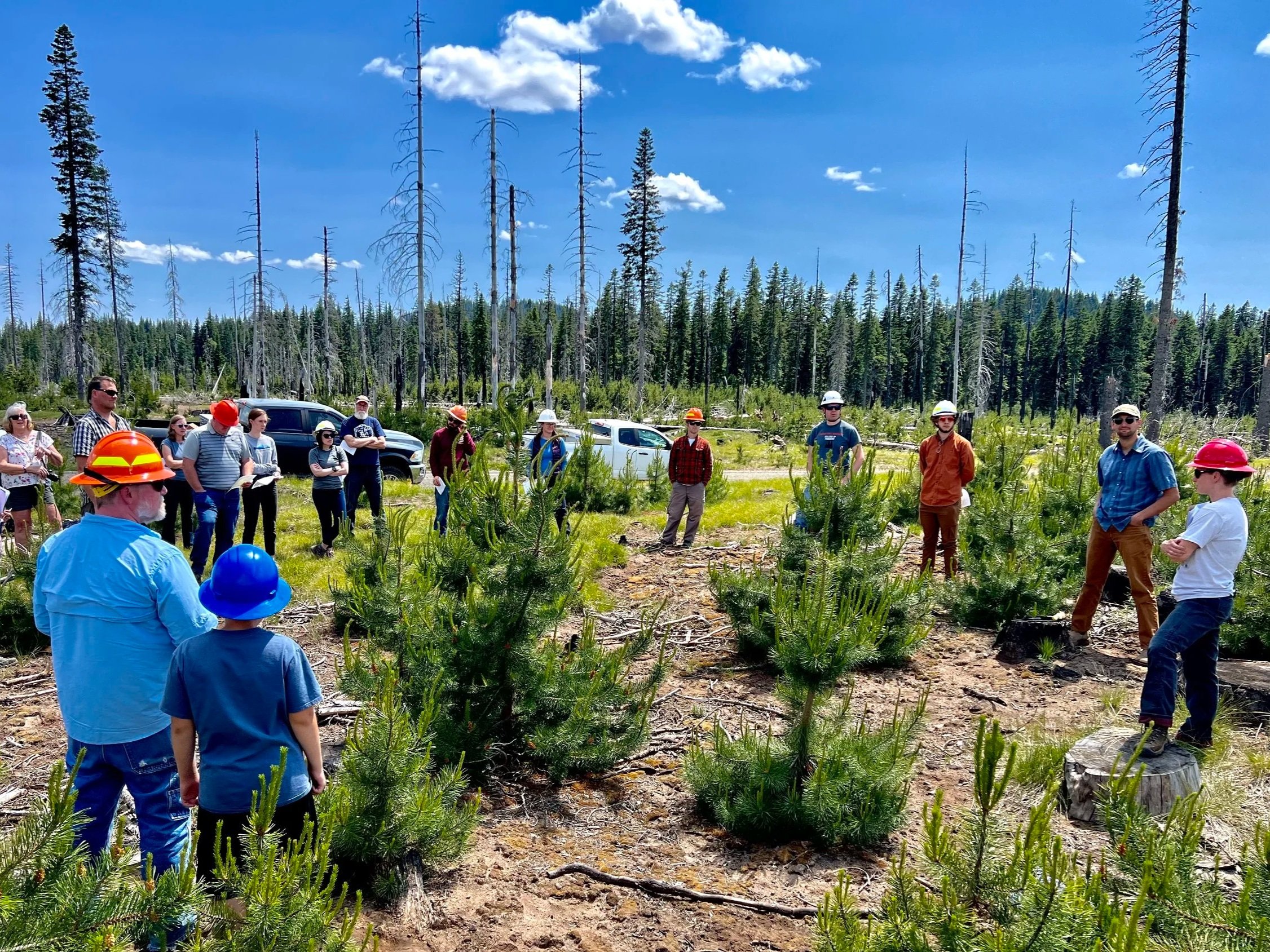
Working together for
the greater good!
WHO We Are...
A forest collaborative that formed in 2011 through combining the former Mt. Adams District Collaborative and Lewis River Collaborative.
A group of diverse stakeholders interested in the active management of Gifford Pinchot National Forest:
Environmental organizations (e.g., Cascade Forest Conservancy)
Forest products industry (e.g., High Cascade, Green Diamond)
Agency personnel (i.e., USFS, WA DNR, WDFW)
Elected officials (i.e., county commissioners, congressional representatives)
Outdoor recreation community (e.g., WA Trails Association, Backcountry Horsemen of WA, Cougar Area Trail Seekers)
Concerned community members
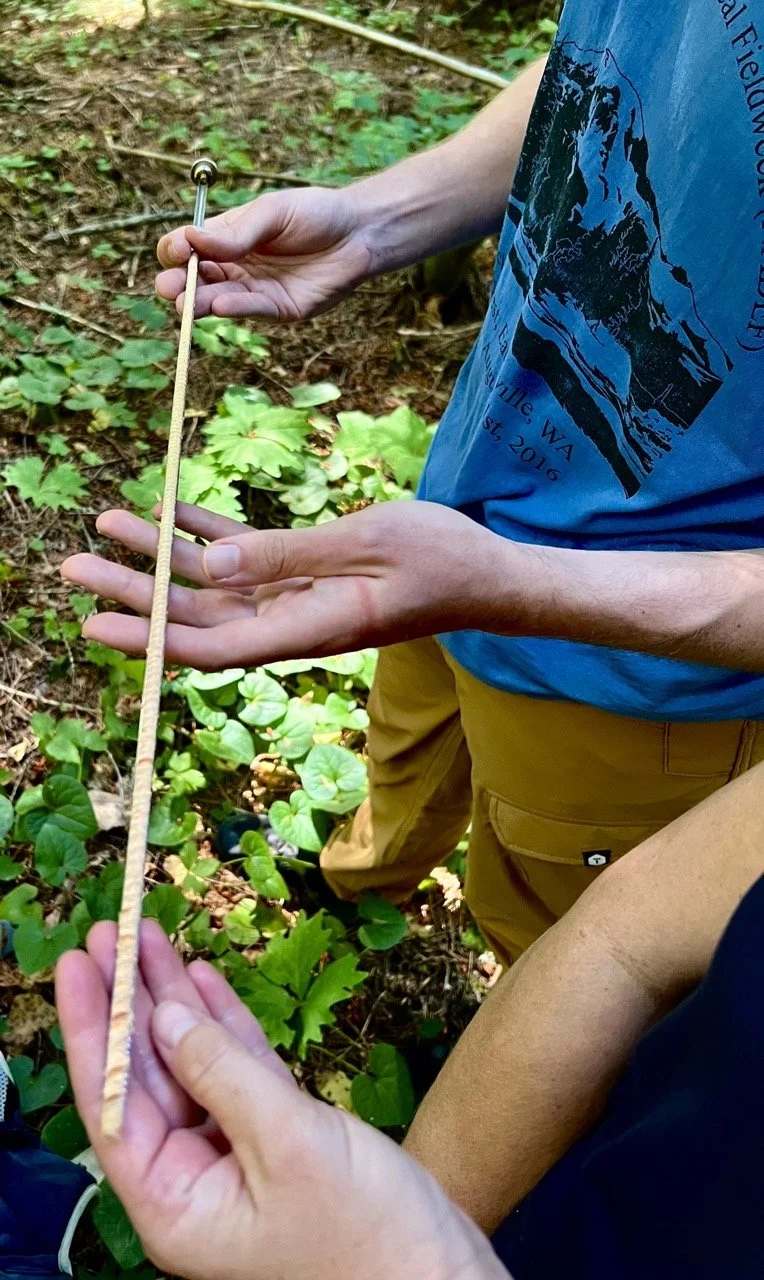
WHAT We Do…
We strive to collectively improve the development and implementation of projects that enhance economic vitality, forest ecosystems, outdoor recreation, and public safety on the south end of Gifford Pinchot National Forest and in its surrounding communities.
We develop shared solutions to forestry and natural resource issues with a common vision to move beyond controversy towards active management of our public lands that supports both restoration of our forestlands and revitalization of rural communities.
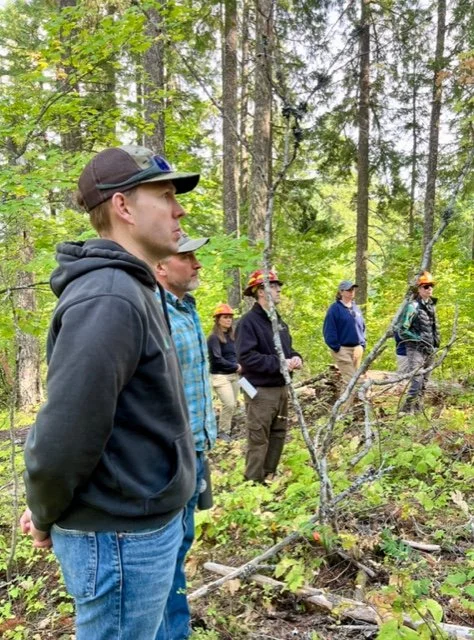
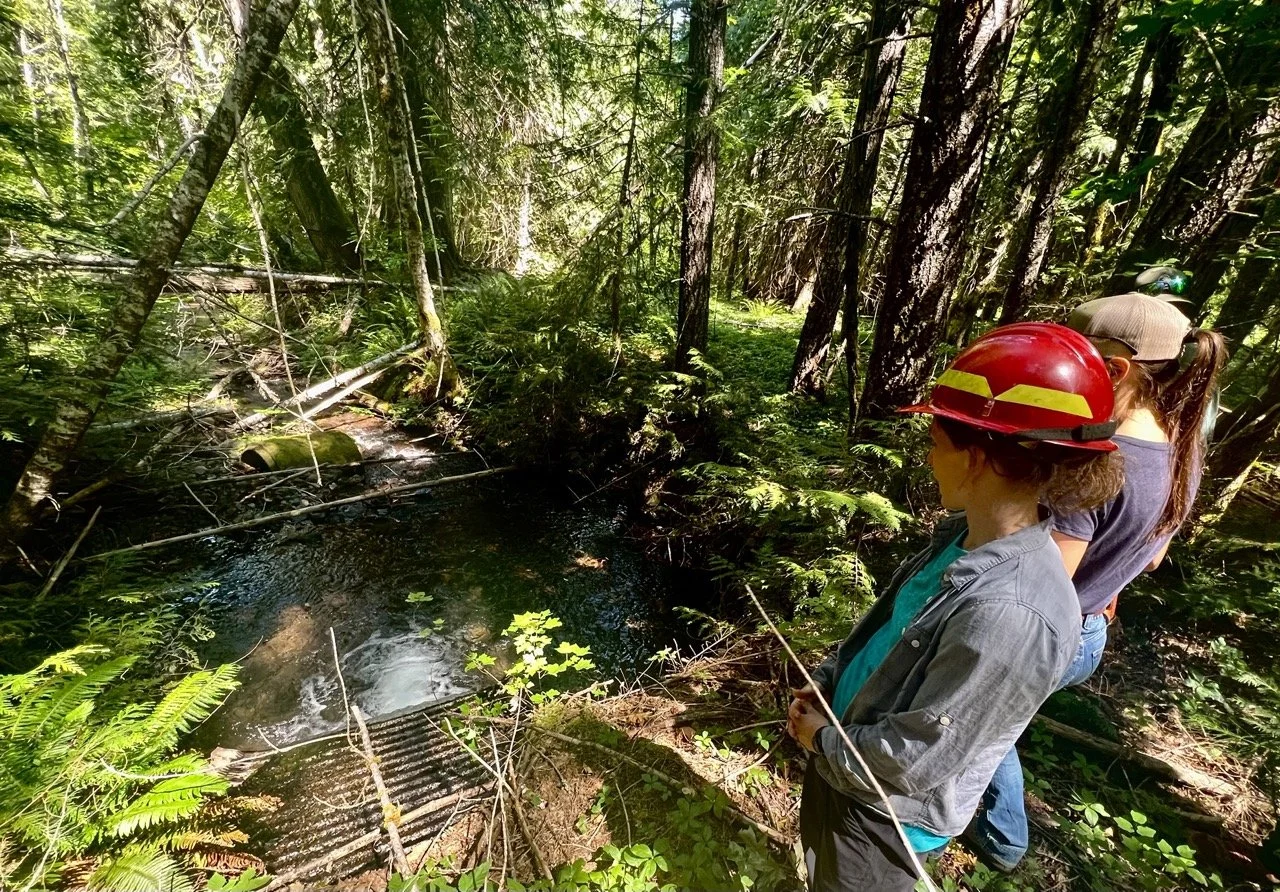
COLLABORATIVE PRIORITIES
1. Support watershed-scale restoration and active management on GPNF.
2. Promote rural community well-being (i.e., social, economic, environmental).
3. Support cross-boundary shared stewardship of GPNF (i.e., ‘all lands’ approach).
4. Develop and approve consensus-based public comment letters to help guide forest management.
5. Develop ‘Zones of Agreement’ for improving efficiency and expediting decision-making.
6. Support monitoring projects to assess management outcomes and hold managers accountable.
7. Embrace tribal interests and incorporate traditional ecological knowledge into decision-making.
8. Incorporate climate change projections relevant to transitional PNW forests (e.g., GPNF) in management recommendations.
9. Promote shared learning to achieve collective understanding.
10. Address local outdoor recreation issues, impacts, and interests.